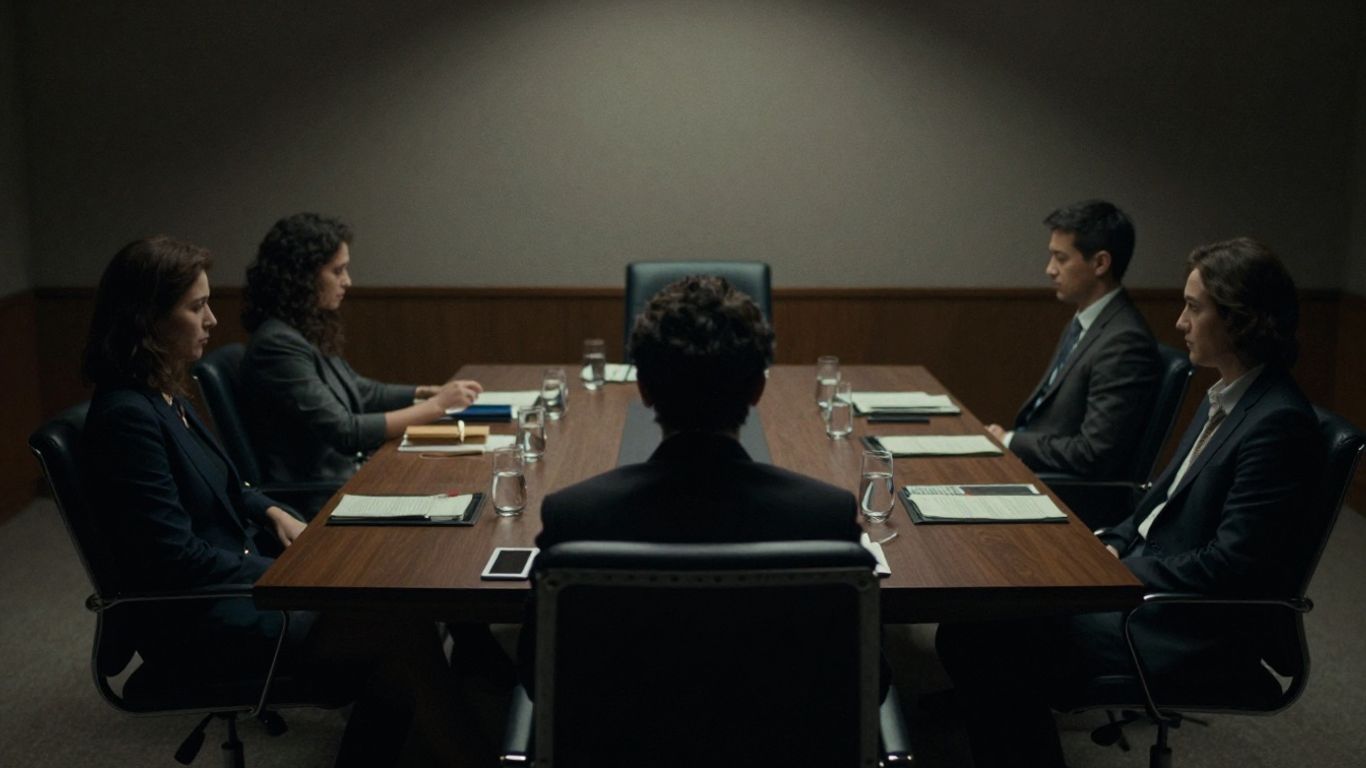
Automattic, the company behind WordPress.com, Tumblr and WooCommerce, has reportedly reshaped its board and leadership after directors attempted to place CEO Matt Mullenweg on leave. Mullenweg is said to have regained control within roughly 33 hours. The upheaval comes as the company faces a high-profile legal dispute with hosting provider WP Engine.
Key takeaways
- Automattic’s board reportedly changed substantially after an effort to remove Mullenweg.
- Several senior figures, including the company’s finance and legal chiefs, have reportedly left.
- The boardroom dispute is separate from Automattic’s ongoing legal battle with WP Engine; any connection is unclear.
For WordPress site owners, the reported leadership changes are not evidence of an interruption to their websites. They are, however, a reminder that a site’s routine care—updates, backups and security checks—should not depend on headlines about the wider WordPress industry.
What reportedly happened at Automattic
TechCrunch reporting cited by Gizmodo says Automattic’s board voted to put Mullenweg on leave. About 33 hours later, Mullenweg had removed rival administrators from the company’s Slack workspace, and the board’s status was described as unsettled. Founding CEO Toni Schneider was among those confirmed to have departed.
A later reshuffle reportedly included the departure or resignation of two more directors, along with chief financial officer Mark Davies and chief legal officer Andy Missan. Mullenweg is said to have appointed new legal counsel and added new board members and advisers. Reported additions include authors Hugh Howey and Amy Chan, and IRL co-founders Henry Khachatryan and Krutal Desai.
A leadership dispute amid a legal fight
Automattic and WP Engine are engaged in a bitter dispute over WordPress-related trademarks and Mullenweg’s public criticism of the hosting company. WP Engine has alleged that Mullenweg threatened a “scorched earth” campaign while pressing it to enter a trademark licensing agreement. The companies’ disagreement is playing out in court, but reporting has not established that it caused the boardroom conflict.
In a later court filing, WP Engine also sought sanctions, alleging that Mullenweg destroyed evidence. That remains an allegation in the litigation, not a finding of wrongdoing. Mullenweg told staff he held several senior corporate roles and described the board meeting as unusually significant. He also said the coming months would be pivotal for Automattic.
What WordPress site owners should do
The dispute concerns the leadership of Automattic and its business relationships; it does not mean that the open-source WordPress software or every WordPress website is controlled by Automattic. WordPress.com is Automattic’s hosted service, while the WordPress software is an open-source project.
Whatever happens at company level, site owners can reduce avoidable risks by keeping WordPress core, themes and plugins up to date, maintaining tested backups and monitoring security. A WordPress maintenance plan or care plan can help make those tasks routine, particularly for businesses that rely on their sites but do not have an in-house team to manage them.